
Last updated on June 29, 2026
How Monitoring Centres Are Graded Using AS 2201.2:2022
AS 2201.2:2022 is the latest Australian Standard for monitoring centres in Australia. It replaces the 2004 standard that governed Australian monitoring centres for almost two decades. The updated standard reflects how monitoring has changed, with modern centres now managing integrated alarms, access control, video verification, remote services, networked infrastructure and sensitive client data.
Why Alarm Monitoring Standards Have Changed
When AS 2201.2:2004 was written, alarm monitoring was a more contained activity. Monitoring centres received alarm signals, dispatched responses, and operated within more isolated environments. Networked systems were more limited, and cybersecurity was not a primary operational concern.
The environment today is materially different. Monitoring centres now manage integrated alarm systems, access control platforms, video verification feeds and remote services.
As monitoring environments continue to evolve, so too do the standards and practices that underpin them. The 2022 revision acknowledges this shift and strengthens requirements relating to cybersecurity, IT controls, risk management, physical security, staffing and operational procedures.
WHAT IS AS2201.2?
AS 2201.2:2022 is the current Australian Standard applicable to alarm monitoring centres, published by Standards Australia. ASIAL operates an independent grading scheme against the applicable standard. The 2022 version supersedes AS 2201.2:2004.
AS 2201.2:2004 vs 2022: Key Differences
The two versions share the same foundational purpose, ensuring alarm monitoring centres operate reliably and professionally. The 2022 revision goes substantially further in five areas that were either underspecified or absent in the previous edition.
| Requirement Area | 2201.2:2004 | 2201.2:2022 |
|---|---|---|
| Cybersecurity | Not formally defined within the standard | Explicit requirements for network security, access controls, and protection against digital threats ↑ NEW REQUIREMENT |
| System resilience | Backup systems required | Stronger failover capability and continuity requirements; monitoring must remain operational during disruptions ↑ STRENGTHENED |
| Data security | Basic data handling | Greater focus on how event data, customer information, and system logs are stored, protected, and managed ↑ STRENGTHENED |
| Operational procedures | General operational requirements | Defined expectations for alarm handling, event verification, escalation, training, and documentation ↑ STRENGTHENED |
| Facility security | Physical access controls required | Tighter controls for facility access, surveillance, and protection of critical infrastructure ↑ STRENGTHENED |
What AS 2201.2:2022 Means for Businesses
Compliance sits with the monitoring centre, not the client. However, the standard directly affects the quality and reliability of the service delivered. Any environment that relies on alarm monitoring benefits when that monitoring is aligned with the current standard, whether the priority is continuity, data protection or consistent incident response.
The strengthened requirements in AS 2201.2:2022 reflect the realities of modern monitoring environments. Systems are now interconnected, data-driven and expected to operate continuously, which places greater importance on how monitoring centres are designed and maintained.
Resilience and Continuity
Resilience requirements reduce the risk that a monitoring centre fails to receive or act on an alarm event during a technical disruption. This is particularly relevant where monitoring operates as the primary response mechanism outside staffed hours, and where system downtime directly impacts security outcomes. This includes measures such as secondary backup generator provisioning to support continued operation during extended power disruptions.
Data Security and Information Handling
Monitoring centres routinely handle sensitive information, including event records, access logs and site-specific data. The updated standard introduces stronger expectations for how this information is stored, protected and managed, reducing exposure to loss, corruption or unauthorised access.
Consistency in Operational Response
Clearer procedural requirements for monitoring staff, including defined expectations for alarm handling, event verification and escalation, contribute to more consistent responses and improved auditability. This reduces variability in how incidents are managed and supports more reliable outcomes.
Questions to Ask Your Monitoring Provider
Organisations reviewing their alarm monitoring arrangements should consider the following:
|
✓
|
Is your monitoring centre certified to AS 2201.2:2022, or still operating under the 2004 standard? |
|
✓
|
What cybersecurity controls are in place to protect the monitoring infrastructure and client data? |
|
✓
|
How does the centre maintain operations during a power failure or network outage? |
|
✓
|
What documentation exists for alarm handling procedures, escalation protocols, and operator training? |
|
✓
|
How is client data, including event records and access logs, stored, retained and protected? |
The five questions above are not a checklist to tick off; they are a starting point for a more informed conversation. A monitoring provider that holds current certification should be able to answer each one with specificity, not generality. If the answers are vague, or if certification references the 2004 standard rather than the 2022 version, that is worth noting.
How AS 2201.2:2022 Is Applied in Practice: EXEC Security’s SOC
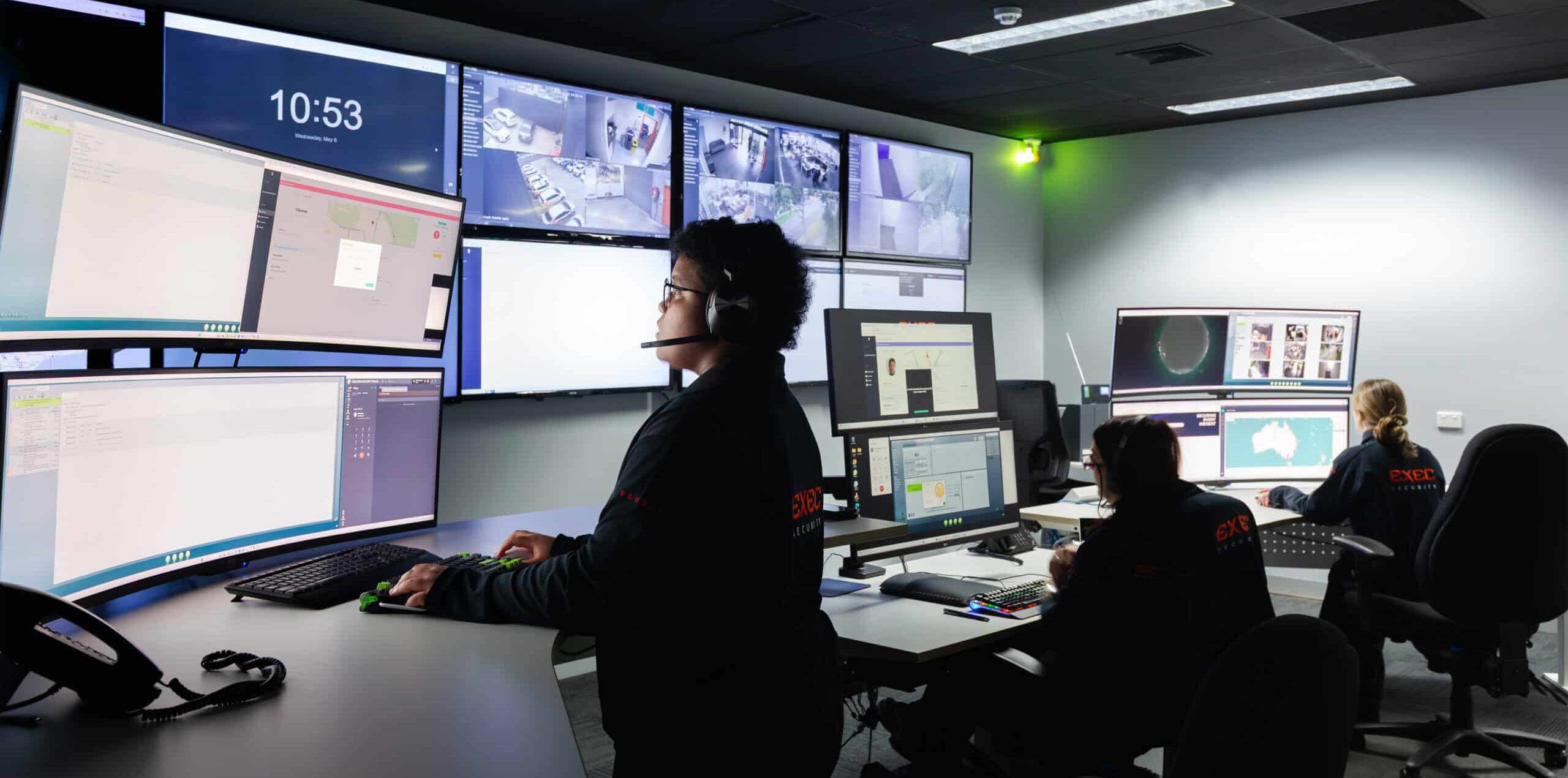
EXEC Security’s Security Operations Centre operates under ASIAL Grade A1 classification to AS 2201.2:2022. This means our monitoring environment has been independently assessed against the current standard, including requirements relating to system resilience, cybersecurity, facility security, operational procedures, staffing and continuity.
For clients, the benefit is practical: a more resilient monitoring environment, stronger governance, clearer escalation procedures, improved auditability and greater confidence that alarm events are managed consistently. This alignment was supported by a coordinated programme of system and operational upgrades, including enhancements to cybersecurity controls, redundancy capability, continuity measures and alarm handling procedures.
WHAT IS ASIAL GRADE A1 MONITORING?
ASIAL Grade A1 Monitoring is ASIAL’s highest classification for alarm monitoring centres, determined through an independent audit process. While AS 2201.2:2022 defines how monitoring centres should operate, Grade A1 confirms those requirements are met in practice.
EXEC Security holds ISO 27001 for information security, including structured risk management practices, and ISO 9001 for quality management. These certifications reflect how security controls, governance and operational processes are systematically managed within a certified monitoring environment.
Looking for Grade A1 Monitoring?
There’s a difference between holding certification and operating on it. EXEC Security’s Security Operations Centre is ASIAL Grade A1 certified, meaning stronger system resilience, tighter operational controls and more consistent alarm response when it matters most.
If you are reviewing your alarm monitoring arrangements or want to understand whether your current provider is operating to AS 2201.2:2022, contact EXEC Security to discuss a Grade A1 monitoring solution for your organisation.
Related Posts

Last updated on September 1, 2026



Enquire Now
Speak with a
Security Guarding Specialist
Whether you require a welcoming concierge, vigilant static guard, loss prevention team, or comprehensive site coverage, EXEC Security has the experience, systems, and personnel to deliver. Contact us today to arrange a consultation or request a tailored service proposal.

